Handletter: A Timeless Font with Modern Appeal
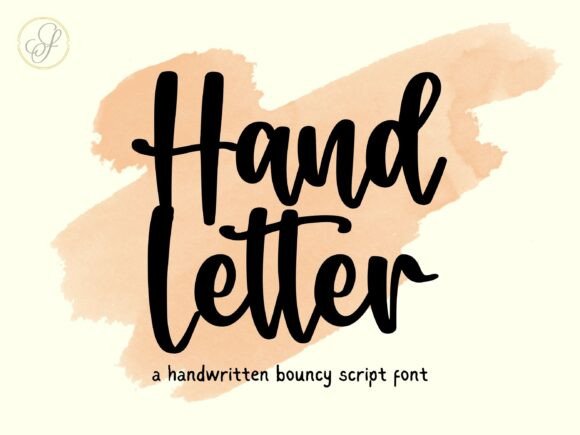
Handletter is more than just a font—it's a visual narrative, a reflection of individuality and craftsmanship. Its flowing, organic lines evoke the charm of handwritten scripts, offering a unique blend of authenticity and elegance. Whether you're designing a rustic farmhouse sign or crafting a sophisticated invitation, Handletter brings a personal touch that resonates with both tradition and contemporary design.
The Artistry Behind Handletter
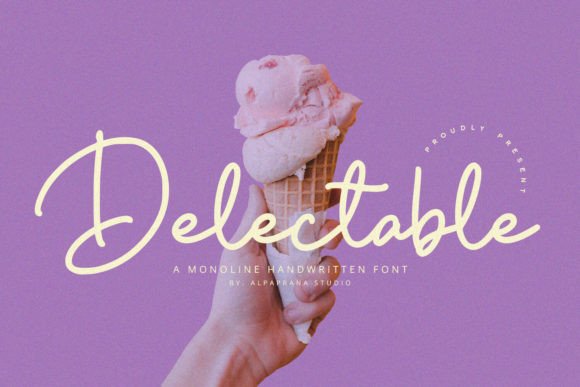
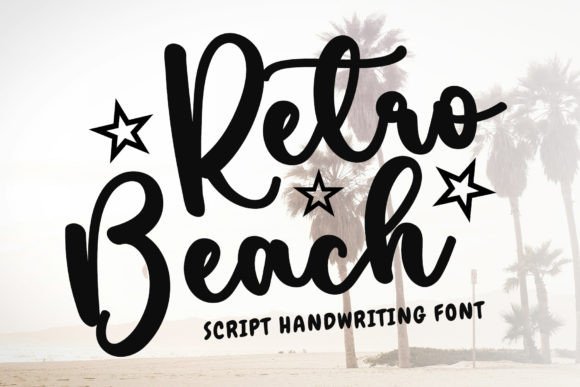
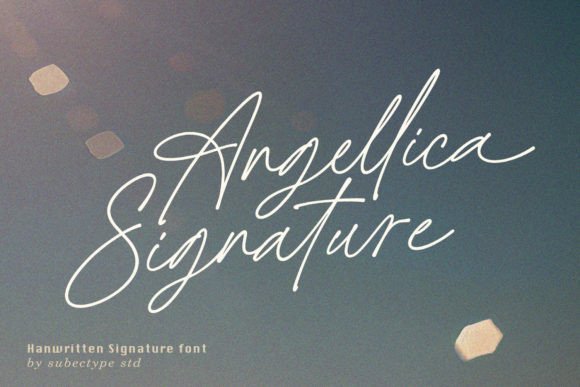
At its core, Handletter is a tribute to the timeless craft of handwriting. Each letterform is created by hand, capturing the subtle variations and imperfections that make it feel alive. Unlike digital fonts that often prioritize uniformity, Handletter embraces the natural rhythm of human writing, making it stand out in a world dominated by rigid typography.
This font is particularly appealing because it allows for a wide range of interpretations. The soft curves and gentle strokes can be adapted to suit various styles—from elegant cursive to bold, expressive script. This versatility makes it an ideal choice for designers looking to add character and warmth to their projects.
Creative Possibilities with Handletter
Handletter opens up a world of creative possibilities. Here are some ways you can incorporate it into your work:
- Rustic Farmhouse Signs: Use Handletter for signage in cozy farmhouses, barns, or outdoor spaces. Its organic feel complements natural materials like wood and stone.
- Apparel and Merchandise: Add a personal touch to T-shirts, mugs, and other products with Handletter. It adds a sense of uniqueness that appeals to customers seeking artisanal items.
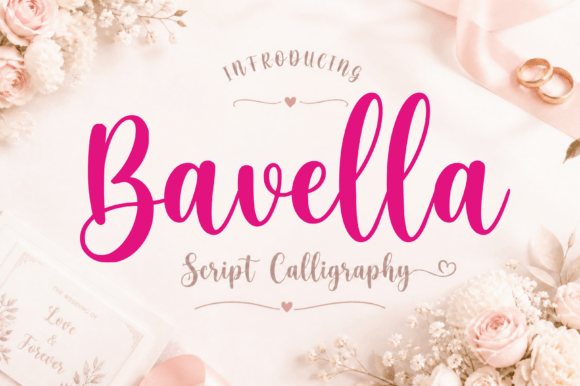
- Invitations and Stationery: Whether it's a wedding invitation or a thank-you note, Handletter adds a touch of sophistication and warmth.
- Branding and Marketing: Incorporate Handletter into logos, packaging, and promotional materials to create a brand identity that feels genuine and approachable.
Tips for Using Handletter Effectively
To ensure your use of Handletter is impactful, consider these practical tips:
- Choose the Right Context: Match the style of Handletter to the tone of your project. A more delicate version may suit a wedding invitation, while a bolder variant could work well for a vintage poster.
- Balance with Other Elements: While Handletter stands out on its own, pairing it with simpler fonts can create a more balanced and professional look.
- Test Different Sizes: Handletter looks best at larger sizes where its details can be clearly seen. Avoid using it in small text where it might become difficult to read.
- Use It Strategically: Don't overuse Handletter. Save it for key elements like headlines or logos to maintain its impact.
Adapting Handletter for Diverse Needs
Handletter is not limited to a single audience or purpose. Its adaptability means it can be tailored to meet the needs of various users:
Designers and Creators: For those who value originality, Handletter offers a way to infuse their designs with personality and artistry. It's perfect for custom illustrations, greeting cards, and branding projects.
Marketers and Entrepreneurs: Businesses can use Handletter to create a distinctive brand voice. From social media graphics to packaging, it helps build a cohesive and memorable brand identity.
Bloggers and Educators: Handletter can enhance the visual appeal of blog posts, newsletters, and educational materials. It adds a friendly and approachable tone that engages readers.
Hobbyists and Freelancers: Whether you're creating DIY projects or offering design services, Handletter provides a versatile tool that can elevate your work and attract a wider audience.
Realistic Examples and Inspiration
Here are a few real-world examples of how Handletter has been successfully used:
- A local bakery used Handletter on its storefront signage, giving it a warm and inviting appearance that attracted more customers.
- A fashion brand incorporated Handletter into its product labels, adding a touch of elegance that aligned with its target market.
- A wedding planner utilized Handletter in invitations, creating a romantic and personalized feel that set the tone for the event.
Conclusion
Handletter is more than a font—it's a storytelling tool that bridges the past and present. Its unique qualities make it a valuable asset for anyone looking to add authenticity and creativity to their work. By understanding its strengths and exploring its potential applications, you can unlock new opportunities for expression and innovation.