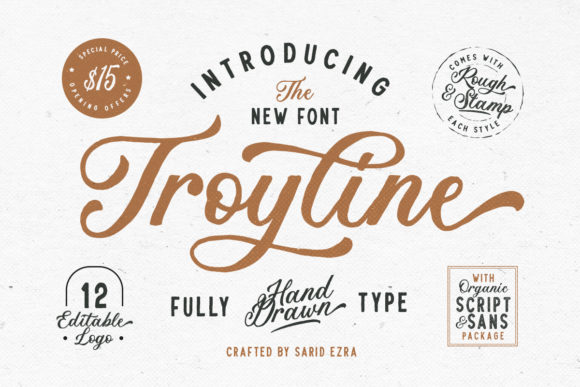
Troyline: A Versatile Font for Creative and Professional Workflows
Troyline is a unique font that combines the elegance of retro design with modern usability. It features a duo font style, offering both a sans-serif and script variant. This dual nature makes it highly adaptable to various creative and professional contexts. Whether you're designing marketing materials, crafting digital content, or working on personal projects, Troyline can enhance your visual communication in meaningful ways.
Understanding Troyline’s Design and Purpose
Troyline was crafted with a focus on clarity, aesthetics, and functionality. Its retro-inspired design evokes nostalgia while maintaining a clean and legible structure. The sans-serif component offers a modern, straightforward look, ideal for headings and body text. The script variant adds a touch of sophistication and personality, perfect for signatures, quotes, or decorative elements.
This font is not just about appearance—it's about enhancing the user experience. Troyline’s consistent spacing and balanced proportions ensure readability across different mediums, from print to digital formats. Its versatility allows it to fit seamlessly into a wide range of workflows, making it an excellent choice for designers, writers, and professionals alike.
Where Troyline Fits in Your Workflow
Troyline can be integrated at multiple stages of any project, depending on your needs. Before starting a task, it can help set the tone with visually appealing headers or branding elements. During execution, it supports clear communication through well-designed documents, presentations, or web content. After completion, it aids in presenting final outputs with a polished and professional look.
For example, when creating a marketing campaign, Troyline can be used to design eye-catching banners, social media posts, or email templates. In educational settings, it can be applied to lesson plans, handouts, or interactive learning materials. For small businesses, it can elevate brand identity by being used consistently across logos, websites, and promotional assets.
Practical Use Cases Across Industries
- Marketing and Advertising: Troyline’s retro charm works well with vintage-themed campaigns or luxury branding. It can be paired with other design tools like Adobe Photoshop or Canva to create engaging visuals.
- Education and Training: Teachers and trainers can use Troyline to make course materials more engaging. Its script variant is especially useful for calligraphy-style notes or creative writing exercises.
- Freelancing and Content Creation: Writers and designers often need fonts that are both stylish and functional. Troyline offers a balance between aesthetics and readability, making it suitable for blog posts, newsletters, or portfolio websites.
- Business and Branding: Troyline can serve as a signature font for company branding. Its two variants allow for flexibility in logo design, website typography, and printed materials.
How Troyline Integrates with Other Tools
Troyline is designed to work well with a variety of software and platforms. It supports common file formats such as .ttf and .otf, ensuring compatibility with most design applications. Whether you’re using Microsoft Word, Google Docs, Adobe InDesign, or even coding environments, Troyline can be easily implemented without compromising quality.
When working digitally, Troyline’s scalability ensures that it looks great at any size. This is particularly important for web design, where fonts must render clearly across devices. Additionally, its cross-platform support means it can be used consistently across desktop and mobile interfaces, which is essential for maintaining brand consistency.
Workflow Examples for Different Roles
- Designer: Start by selecting Troyline as your primary font for project mockups. Use the sans-serif version for body text and the script variant for titles or accents. Export your designs in high-resolution formats for client presentations.
- Marketer: Incorporate Troyline into your social media strategy. Use it for post headlines, banners, and downloadable content. Ensure it aligns with your brand’s visual identity by using it consistently across all channels.
- Writer: Apply Troyline to your manuscript formatting. Use the script variant for chapter titles or quotes to add a personal touch. The sans-serif option is ideal for long-form content due to its readability.
- Entrepreneur: Integrate Troyline into your business materials. Use it for brochures, packaging, and website headers. Its retro aesthetic can help differentiate your brand in a competitive market.
Best Practices for Using Troyline Effectively
To maximize the benefits of Troyline, consider the following best practices:
- Prepare Thoughtfully: Before using Troyline in a project, assess how it aligns with your goals. Consider the context in which it will be used and whether its style complements the message you want to convey.
- Ensure Compatibility: Test Troyline across different platforms and devices to confirm it renders correctly. This is especially important for web-based projects where font loading can affect user experience.
- Use Consistently: Apply Troyline consistently throughout your workflow to maintain a cohesive visual identity. Avoid mixing it with overly stylized or difficult-to-read fonts unless it serves a specific purpose.
- Organize Your Assets: Keep track of Troyline files and versions to avoid confusion. Organizing your font library helps streamline future projects and reduces the risk of errors.
- Focus on Quality: Always use high-quality versions of Troyline to ensure optimal performance. Low-quality fonts can lead to poor rendering, which may detract from the overall professionalism of your work.
Long-Term Use and Adaptability
Troyline is not just a one-time tool—it’s a resource that can grow with your skills and projects. As you become more familiar with its strengths and limitations, you’ll find new ways to incorporate it into your routine. Whether you’re working on a short-term task or a long-term initiative, Troyline’s adaptability ensures it remains relevant and useful.
One of the key advantages of Troyline is its ability to evolve with your workflow. As you experiment with different applications, you may discover unique use cases that weren’t initially obvious. This adaptability makes it a valuable asset for creators who are always looking for ways to improve their output.
In summary, Troyline is more than just a font—it’s a tool that enhances creativity, clarity, and consistency. By understanding its design, integrating it thoughtfully into your workflow, and applying best practices, you can unlock its full potential and elevate your projects to the next level.